

Farmer Strong, America Proud. From our dairy farm families to your fridge, our local communities are stronger because of the many contributions dairy farms provide. And the 100+ year history these family farms bring to our state is rich and spans multiple generations.
There are 4,360 dairy farmers across Pennsylvania who work hard 365 days a year to bring you fresh, wholesome dairy foods – providing nourishment for you and your family. These dairy farm families are the backbone of our vibrant dairy community with 93 percent of Pennsylvania’s farms being family owned. These dairy farms provide the foundation for an industry that supports more than 46,000 jobs and $11.1 billion in economic revenue statewide.
Click on the icons below to meet Pennsylvania dairy farm families with a 100+ year history! Click here to view a snapshot of the dairy industry’s impact on your specific county in Pennsylvania.
Looking for other ways to learn about Pennsylvania agriculture?
- Participate in the Pennsylvania Ice Cream Trail this summer! Click here to learn more.
- Adopt a cow for your classroom! This free, year-long program through Discover Dairy will pair you with a calf from a dairy farm. Get updates and photos, and watch as she grows all year long! Click here to adopt a cow.
- Join us for a free “Ice Cream on the Farm” event this July at a dairy farm near you! Click here to learn more.
View the Map and Meet PA Dairy Farmers:
Farming since 1809
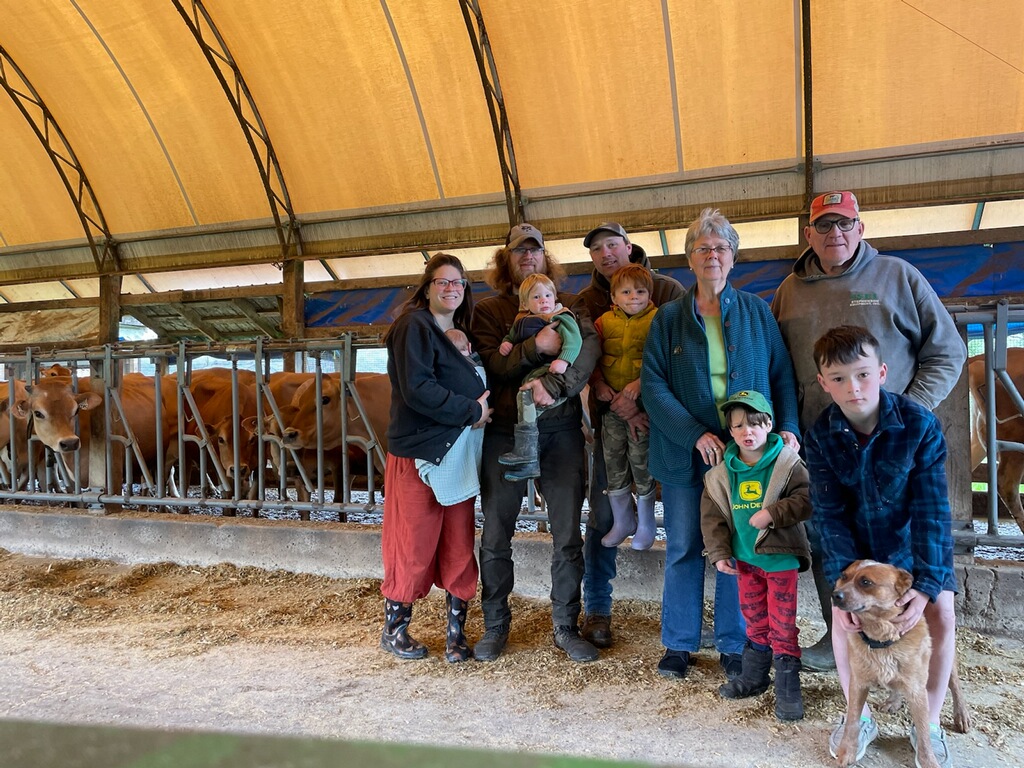
Meet the Paxton Family, Irishtown Acres
Location: Mercer County, PA
Their history: The original deed for Irishtown Acres was 1809, which is also the year Abraham Lincoln was born. Currently the farm is being operated by the fifth generation and beginning the transition to the sixth generation.
Their passion: Today there are 550 cows and 1,200 acres farmed with diversity of custom harvesting, soybean and corn production, and a small beef herd. This diversity is one of our farm’s strengths. Our use of milk meters, activity monitors, and sort gate technology has been key to effective cattle management. We host farm tours for schools and clubs in our community. The vet tech students come here regularly for their large animal experience, and our employees come from the local area and range from high school age and older.
Farming then vs. now: The value of family has remained the same, but the size and scale has changed. Today we have eight families’ livelihoods [supported by the] farm and many part-time employees. We still attempt to keep our Sundays a day of rest between the regular morning and evening chores.
Farming since 1794
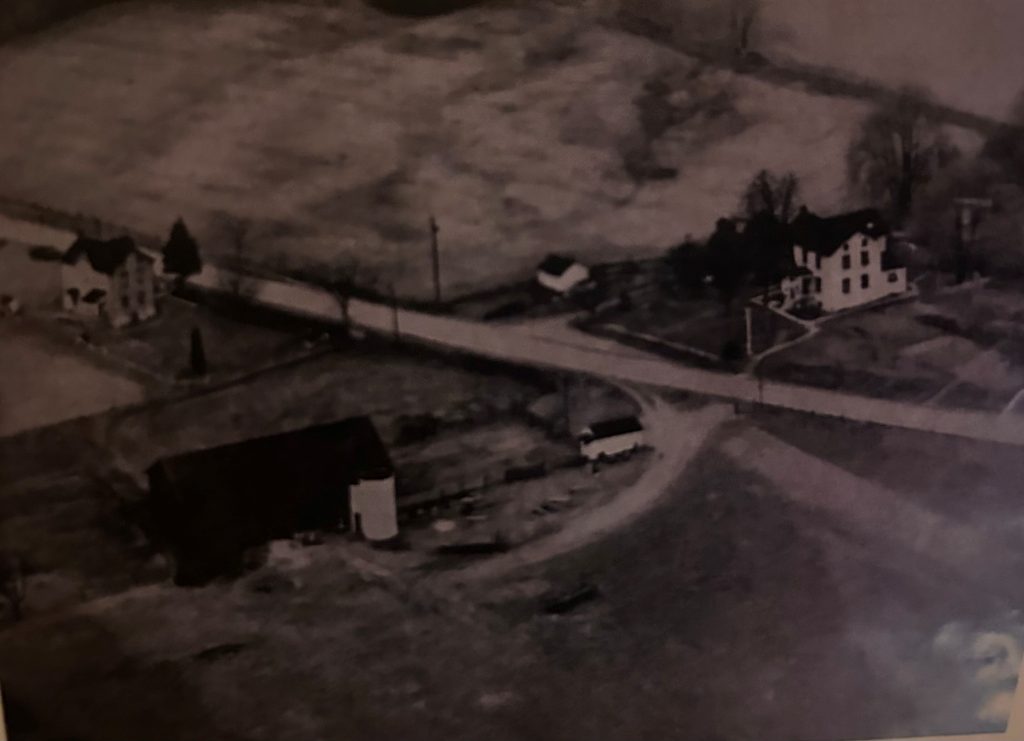
Meet the Meyers Family, Meyers Family Farm
Location: Huntingdon County, PA
Farming since 1827
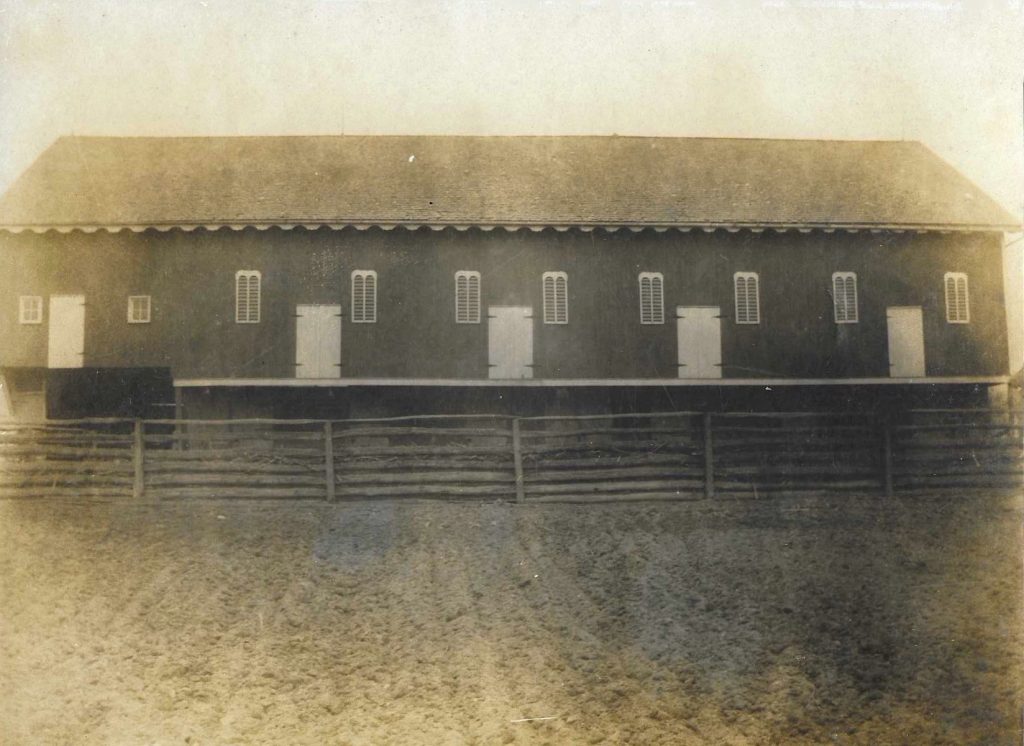
Meet the Sebright Family, Farview Holsteins
Location: Adams County, PA
Their history: The farm was established in 1827, with 1845 on the cornerstone of the house. The photo features the original barn on the property, which still stands today. The farm is now managed by the fourth and fifth generations of Sebrights.
Their passion: The Sebright family is proud of their history in East Berlin, which is a historic town dating back to before the country was established. Today, the farm has 700 acres of cropland and 60 milking cows, with plans to grow the herd.
Farming since 1841
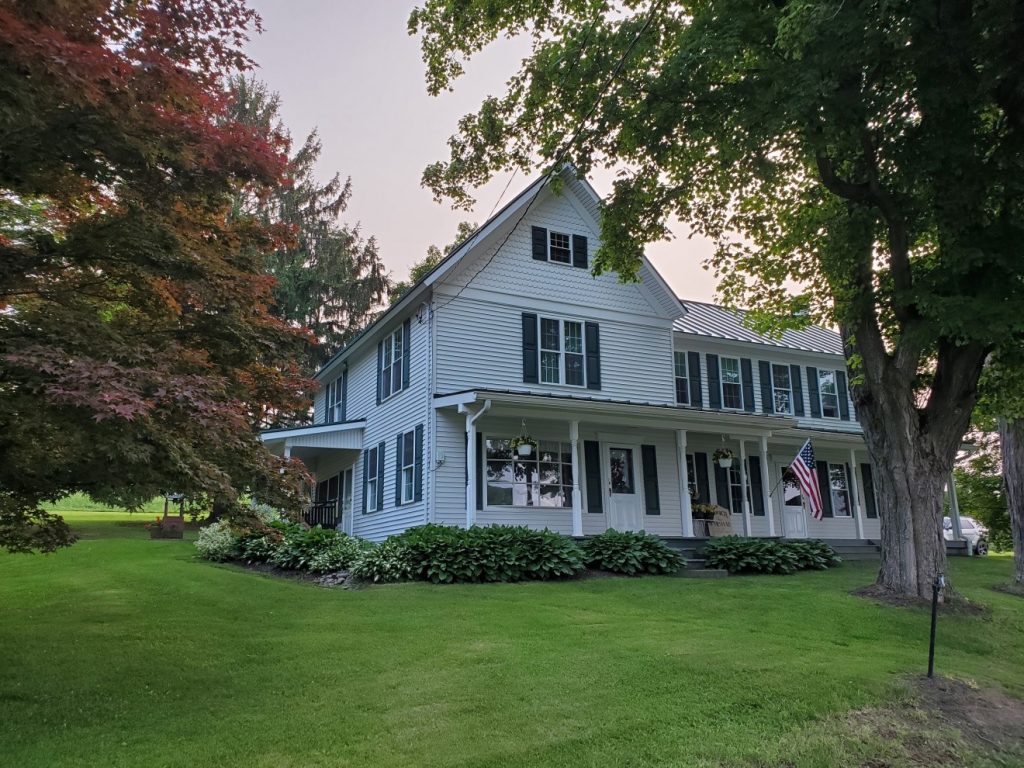
Meet the Aldrich Family, The Aldrich Farm
Location: Susquehanna County, PA
Their history: Great-great-great grandson, Nathan Aldrich II, was born April 9, 1785, moved from “Eastern Connecticut” to “Western Connecticut” in 1802, one of the earliest settlers in this area; and married Betsy Wheelock 10/23/1806. Western Connecticut became Pennsylvania in 1810. Nathan’s son, Andrus Aldrich, born April 12, 1809, married Harriet C. Brown. They purchased a parcel of land from Putnam Catlin May 10, 1841, which was the beginning of the present Aldrich Farm. Side note: Putnam Catlin was the father of famous portrait artist and author, George Catlin.
Their passion: We maintain a conservative approach to farming in respect to the land and the business. We were early adopters of no-till farming, having been recognized twice for the No-Till Farmer of the Year Award. We have worked closely with NRCS to implement conservation projects in an effort to preserve our topsoil and protect our waterways.
Farming then vs. now: Stewardship of the land and the animals has stayed the same. What’s different? The ox yoke hangs on the wall and has been replaced.
Farming since the late 1850s
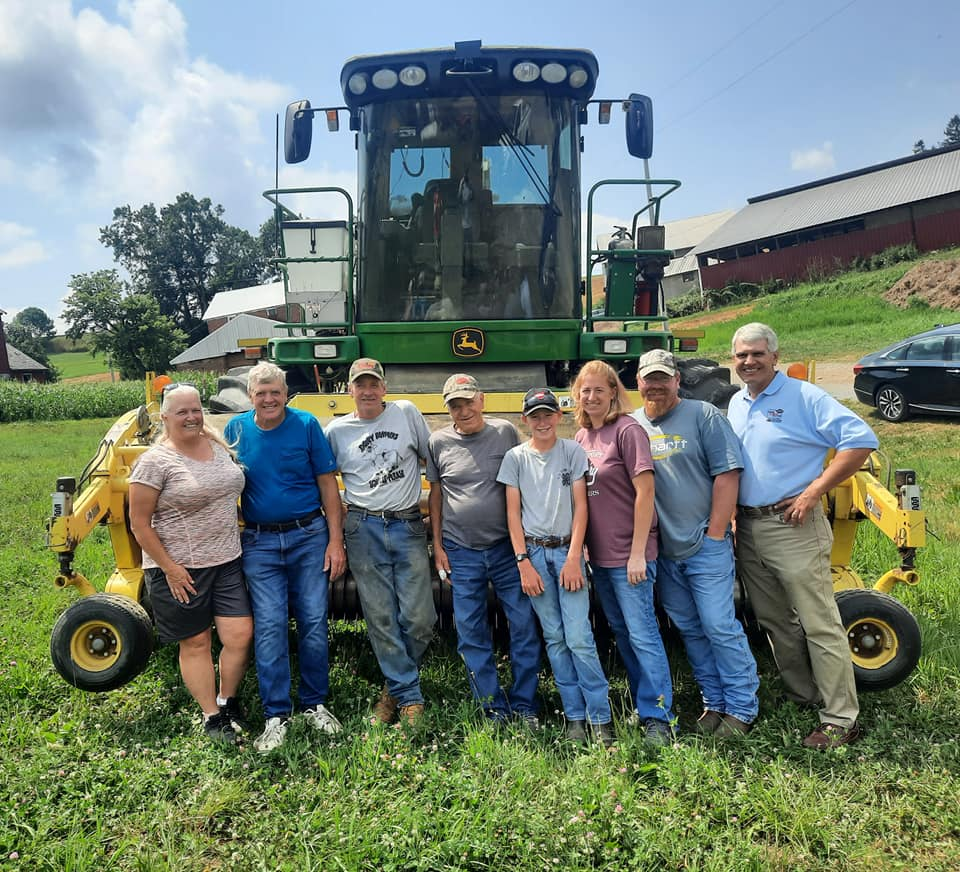
Meet the Hoover Family, Thousand Hill Dairy
Location: Cambria County, PA
Their history: Our farm was started in the late 1850s by the first generation of Hoovers from Germany. It started out with a small dairy herd, orchard and crops. By the early to mid 1900s, we were bottling our own milk, grew acres of potatoes, still had a big orchard and milked 50-60 cows. We are currently in the 7th generation on the farm.
Their passion: We are involved in the community and the dairy industry. My great grandfather was involved in the local community helping the bank during the Depression and also on the local township board. My grandfather was a founding member of PA Farmers in our county and was involved in the PA Potato Growers and local Rural Electric Cooperative. My dad and uncle were involved in FSA board and county Farm Bureau boards. My wife and I are involved in Lancaster DHIA and PA Holstein Association. My dad also has a corn maze and sells pumpkins to the local community.
Farming then vs. now: The value of family and the generational transitions has probably stayed the same. However, our herd size and acreage has grown. Our concentration has gone away from potatoes to mainly dairy.
Farming since 1803
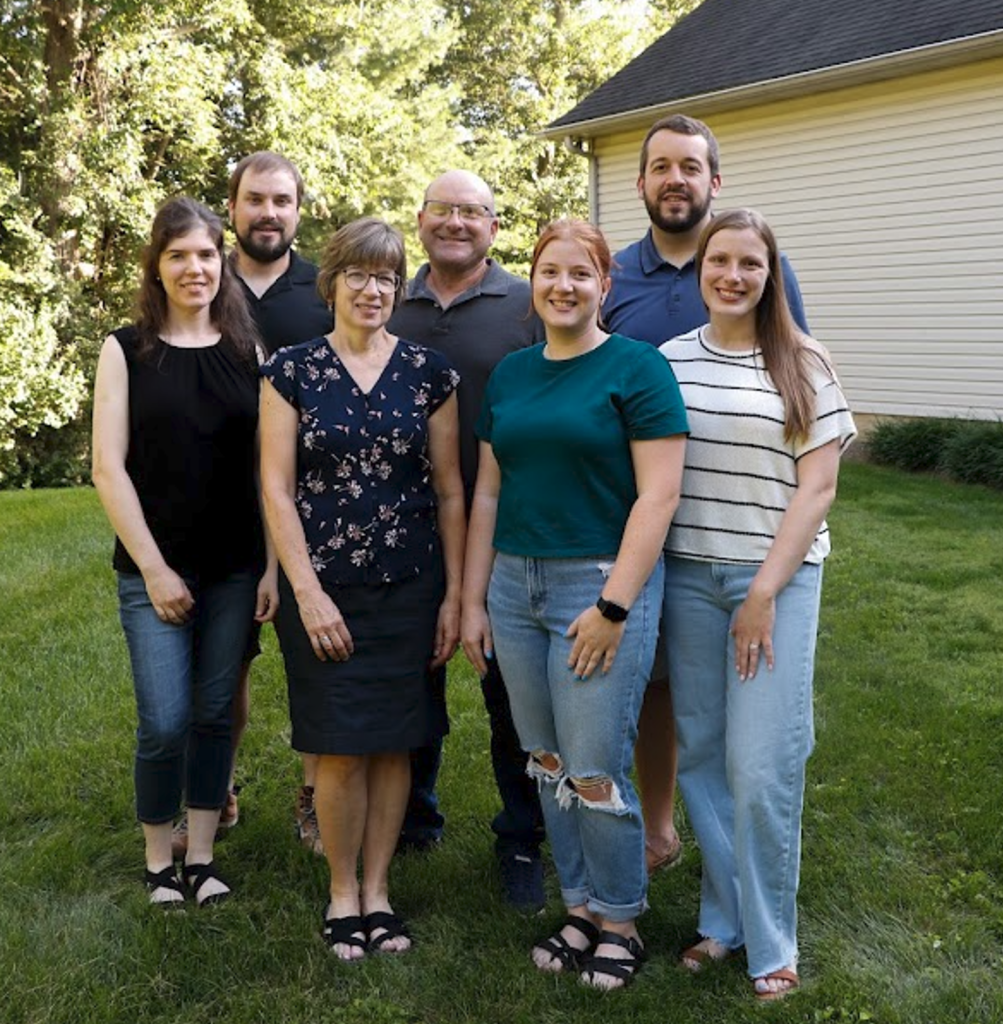
Meet the Hess Family, Second Lock Farms
Location: Lancaster County, PA
Their history: Our house was built in 1803, and we realized that it would be 200 years old. In 2003, our young family hosted a birthday party for the house on the farm. We invited former occupants of the house (many of them extended family), current and former employees, and friends and family to celebrate. We had wagon rides, played games, ate food, toured the house and farm, and celebrated farm history through stories. About 100 people came to our unique celebration of history.
Their passion: A key farm focus for us has been sharing the space and life on a farm with others. In February of 2001, when my husband and I and our young children moved to the farm house to continue the family dairy farm operation, we felt so blessed to have the opportunity to live in such a large house and to have the ability to take care of and maintain a well-developed family farm. We were excited to live on a farm, but we soon began to notice that other folks had little concept of farm life and no close connections to farmers. Farm hospitality became our goal and way of life.
Farming since 1868
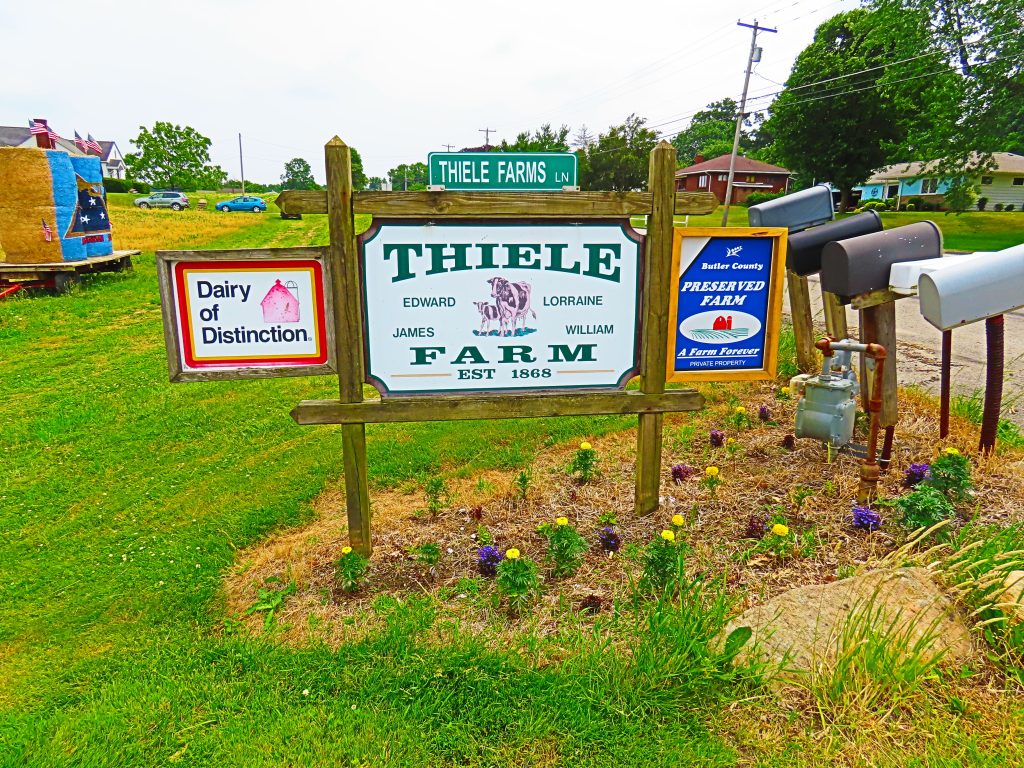
Meet the Thiele Family, Thiele Dairy Farm
Location: Butler County, PA
Their history: Thiele Dairy Farm is located in Cabot, PA in Butler County. We are 45 minutes north of downtown Pittsburgh, depending on traffic. We were the first farm back in 1997 in Butler County to enroll in Farmland Preservation. We also are 100% no-till to improve soil health. We have been shipping our milk to Marburger Dairy in Evans City, PA for many decades. We were invited to the Oval Office to witness the signing of the Whole Milk for Healthy Kids Act on January 14th.
Their passion: One of our key focuses is that we focus on sustainability. We have been 100% no-till for a decade, and we use a multitude of cover crops and mixes to improve soil health. We know that doing these practices long-term will improve soil health, which improves plant health, which then improves animal health, which ultimately improves human health.
Farming then vs. now: When we reflect on the past 100+ years, what has stayed the same is that it takes a team to get the job done. Even with new technology and different ways to farm nowadays, you still need a very strong team.
Farming since 1873
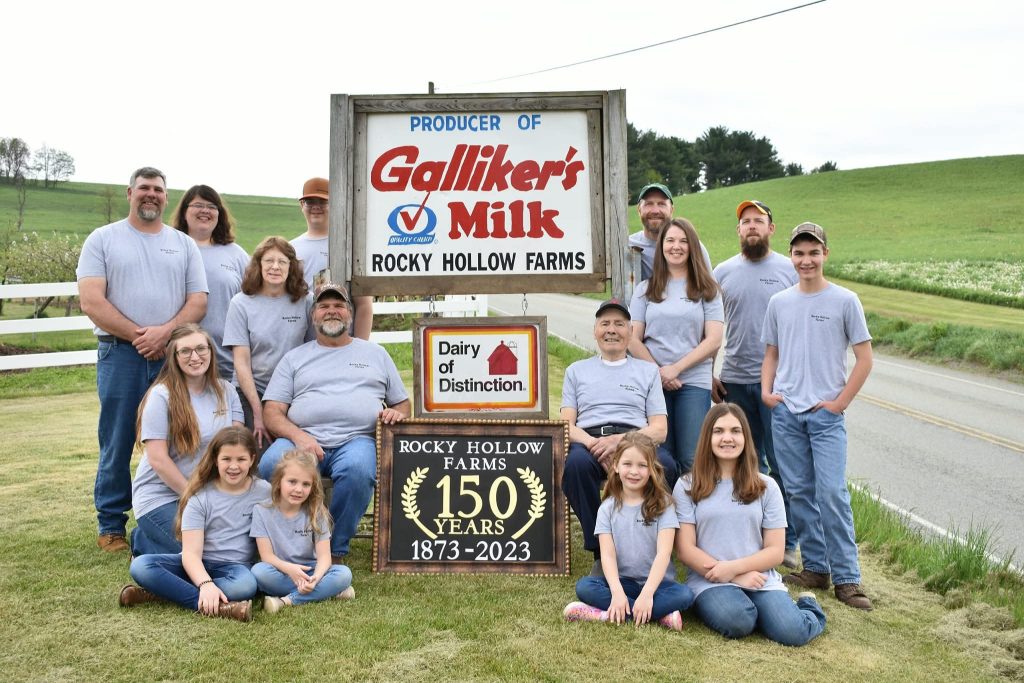
Meet the Sechler Family, Rocky Hollow Farms
Location: Somerset County, PA
Their history: On May 8, 1873, our ancestor Harman Younkin purchased our main farm of 235 acres from the heirs of John K. McMillin for $8,000. According to 1880 census, 100 of those acres were tillable, 50 were pasture, and 85 acres were woodlands. He also was milking 12 cows and sold 1,400 gallons of milk.
Their passion: Fast forward to today, the farm has grown to 153 milk cows producing 418,000 gallons of milk last year. Along with the original home farm we have added other tracts of land to a total of 1,050 acres. 340 of those are tillable, 185 pasture, and 525 woodland.
Farming then vs. now: It is an honor to be able to continue this family tradition. As we work with the 8th generation of up-and-coming farmers, we are hopeful that this legacy will be able to be passed on for many more generations to come.
Farming since 1935
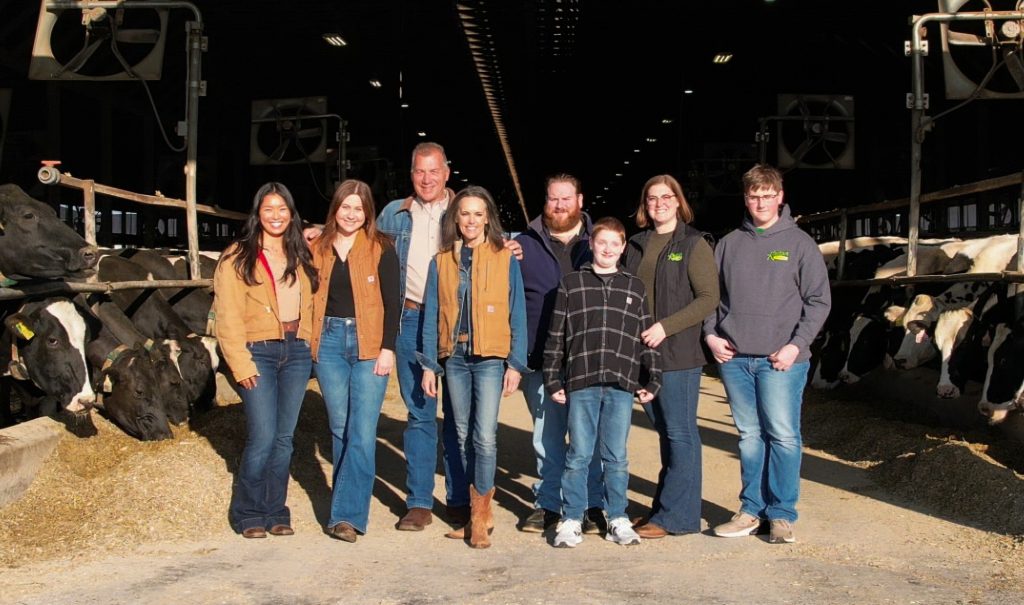
Meet the Kreider Family, Kreider Farms
Location: Lancaster County, PA
Their history: Kreider Farms was founded in 1935 in Lancaster County, PA, and has grown from a small family dairy farm into a vertically integrated agri-food company producing milk, eggs, drinks, and ice cream. Today, we remain family-owned and operated, now led by the 3rd and 4th generations. What makes our story unique is that we still bottle our milk right on the farm, maintaining a true farm-to-fork model that’s become increasingly rare.
Their passion: One of our key focus areas is sustainability and responsible farming, ensuring we are good stewards of the land, our animals, and our community for generations to come. A major part of that commitment is animal welfare. Our dairy is proud to be one of only five dairies in the country to hold American Humane Certification, reflecting the high standards of care and comfort we provide for our cows every day. We believe that doing right by our animals is fundamental to producing the highest-quality milk.
Farming then vs. now: While the tools and technology have evolved dramatically, the heart of dairy farming has remained the same. It still requires dedication, early mornings, and a deep commitment to caring for animals and the land. What’s changed is the level of innovation, from advanced milking systems and automation to data-driven decision-making that helps us operate more efficiently and sustainably. We’re able to produce more while using fewer resources, which is critical for the future of agriculture.
Farming since the 1950s
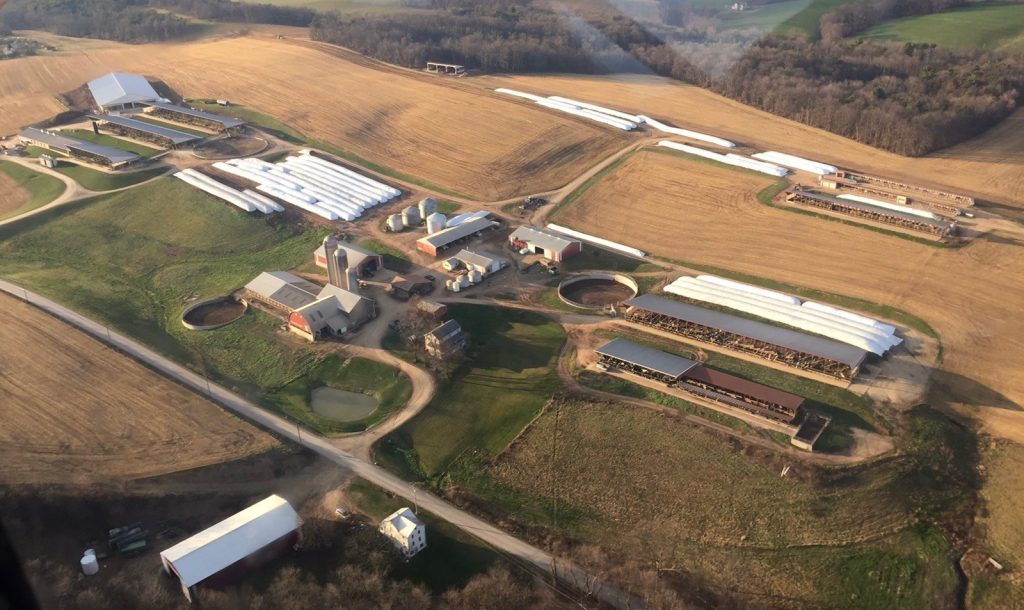
Meet the Smith Family, M.W. Smith Farms LLC
Location: Perry County, PA
Their history: One of my great-great grandfathers served in the Revolutionary War and when the war was over, William Penn gave him 500 acres. It was in Cumberland County at the time, but Perry County succeeded it. The farm we live on is now only 100 acres and we are still farming that land today. We have donated the farm to ag land preservation.
Farming then vs. now: Technology has advanced. We have auto-steer tractors now, while they used to farm with horses. I wasn’t in the horse age, but my dad and grandparents were. They were also hand milking before, and now we are milking with machines.
Farming since the 1940s
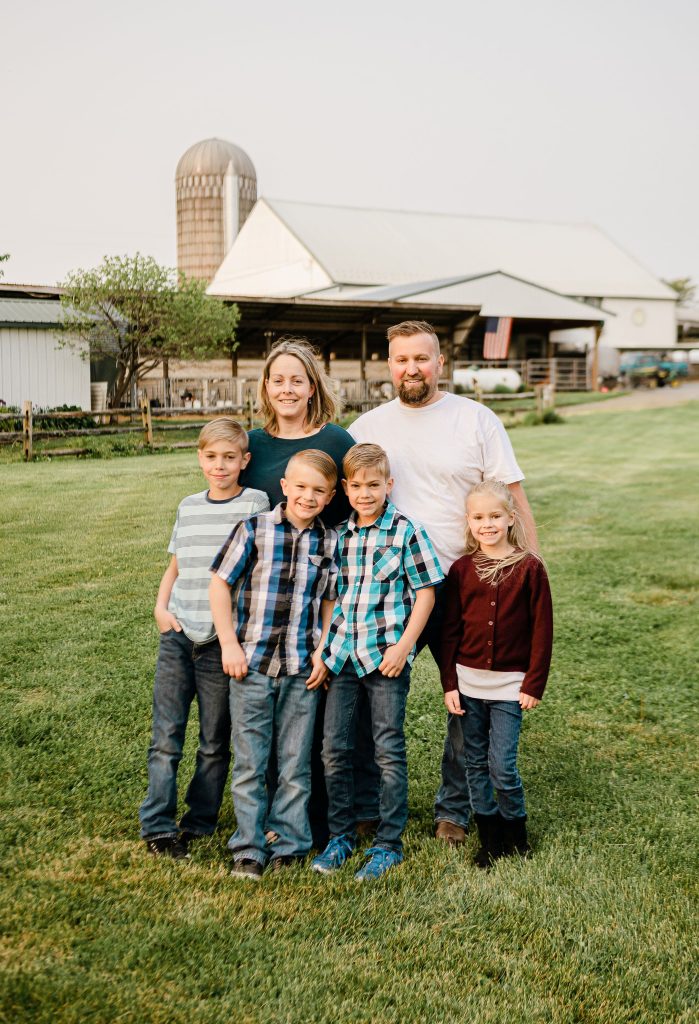
Meet the Gehman Family, Le-An Valley Dairy
Location: Lancaster County, PA
Their history: Our farm’s name comes from the first two letters of my grandparents’ names: Lester and Anna Gehman. I am currently the fifth generation. We have a yearly Gehman weekend here on the farm where our families come and enjoy the weekend together over food, games, laughter and a Saturday night firework show put on by my cousin.
Their passion: We try to keep our cows happy and healthy, which helps with all aspects of management. We also try to involve our kids in decisions. I’m tired almost all the time, but I’m having fun!
Farming then vs. now: The cows need milked and cared for every day, and the love farmers have for this lifestyle has stayed the same. However, every generation is getting one more generation removed from this lifestyle.
Farming since 1922
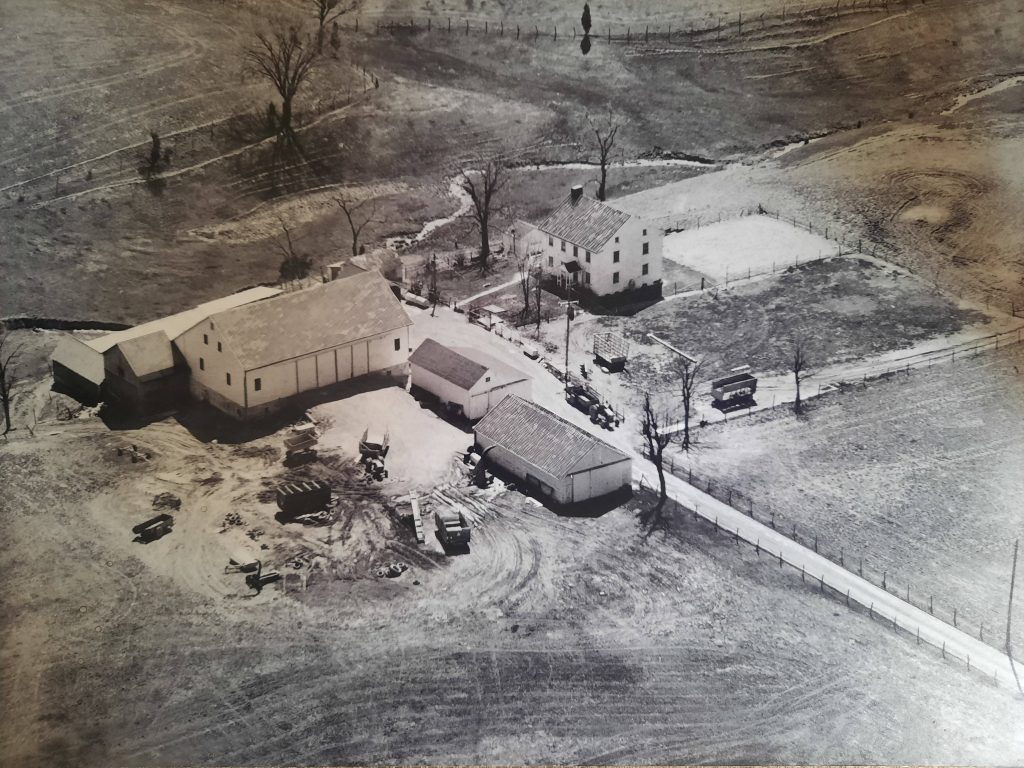
Meet the Hafer Family, Earl Hafer & Sons
Location: Berks County, PA
Their history: The current farm property of Earl Hafer & Sons, located in Douglassville, Pa, was purchased by Albert Oxenford in 1922 consisting of 75 acres. Owners after that included his son, Morris Oxenford, from 1972-1976 then Albert’s grandson and his wife, Joan and Earl Hafer, in January of 1976. The farm is now owned and operated by Terry and Cory Hafer, son and grandson of Earl, respectively. We are a fifth-generation dairy farm with the intent of our future family continuing the legacy. The farm is the last dairy farm in Amity Township.
Their passion: Our main focus is on milk quality and a clean environment for our cows. We grow alfalfa, corn, soybeans and grass hay. We strive to produce quality forage for our animals. Our milking herd averages 200 cows. Stress free, comfortable cows produce the highest quality milk. The saying “A happy cow is a healthy cow” applies on our farm!
Farming then vs. now: Technology today has enabled us to be more efficient and productive. Earl told his family that when he worked for his grandfather, Albert, they were the last farm to get rid of work horses and get a tractor. In the time after Earl purchased the farm, he was the first farmer in the area to no-till 50 years ago (No-till farming focuses on minimal soil disruption). The innovation really took off with Earl and his sons, Terry and Tom.
In business since 1925
Meet Titusville Dairy
Location: Crawford County, PA
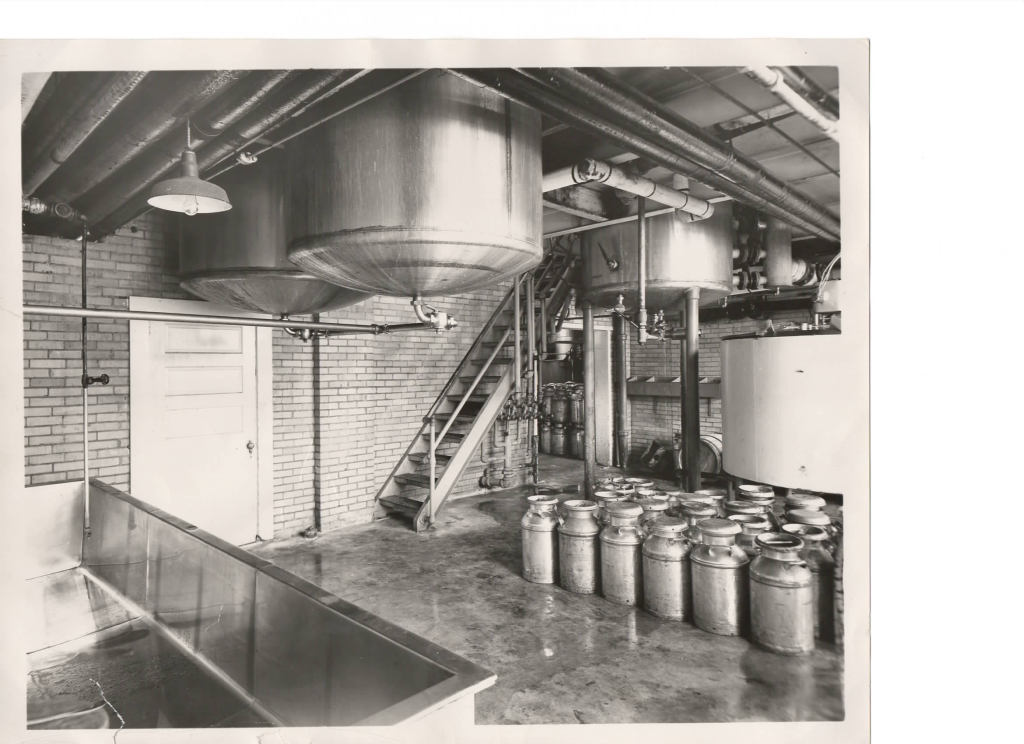
Their history: Following the World War I industrial boom, most of Titusville’s area farmers, like those in other regions, were ‘just getting by.” Nearly 30 local farms were bottling and selling their own milk. Most shipped their cream (and some raw milk) to the Fairmount Creamery in Buffalo, the Carnation condensed milk plant in Townville, Walker I.X.L. Creamery at Grand Valley, or to the Supplee – Wills – Jones (Sealtest) creamery / condensery at Centerville. Cream and condensed milk from the plants at Grand Valley and Centerville were shipped by rail and processed into ice cream in Warren and Philadelphia.
The only dairy product manufacturing plants in Titusville during the early 1920s were the Titusville Butter & Ice Cream Company. Several local business leaders noticed the situation and took action.
Oil heir, dairy farmer and stock breeder Luke Carter (uncle of aviation pioneer Hugh Herndon; and son of Titusville oil baron, financier, livestock breeder and philanthropist Col. John J. Carter); banker and oil producer Russell Hopkins, and attorney and civic leader Charles Stegner joined with area farmers – led by Joseph and Elias Hummer – in an attempt to found a cooperative dairy. Through the group’s efforts, expert dairyman Carl Helmer Rabild came to Titusville.
Born in Moejen, Denmark, August 10, 1876, Rabild served in the Danish Royal Guard for two years and studied at a college before emigration to America in 1898. After becoming a butter maker in Michigan, Rabild served on the Michigan Dairy and Food Commission and organized the first Dairy Herd Improvement Association. Rabild became the new dairy’s driving force. Construction of the landmark brick building began on May 1, 1926. The plant boasted its own water wells (which are still in use for bottled water production today). Milk and cream processing started on September 1, 1926. The dairy plant is one of a small number of Titusville industries to have survived more than 80 years.
Their passion: Titusville Dairy makes “Class II” dairy products like cottage cheese, ice cream mix and sour cream. They recently celebrated their 100th anniversary. Turner Dairy, Marberger Dairy and Bruster’s Ice Cream are all part owners.
Farming since 1936
Meet the Brooks Family, Brooks Family Farms
Location: Centre County, PA
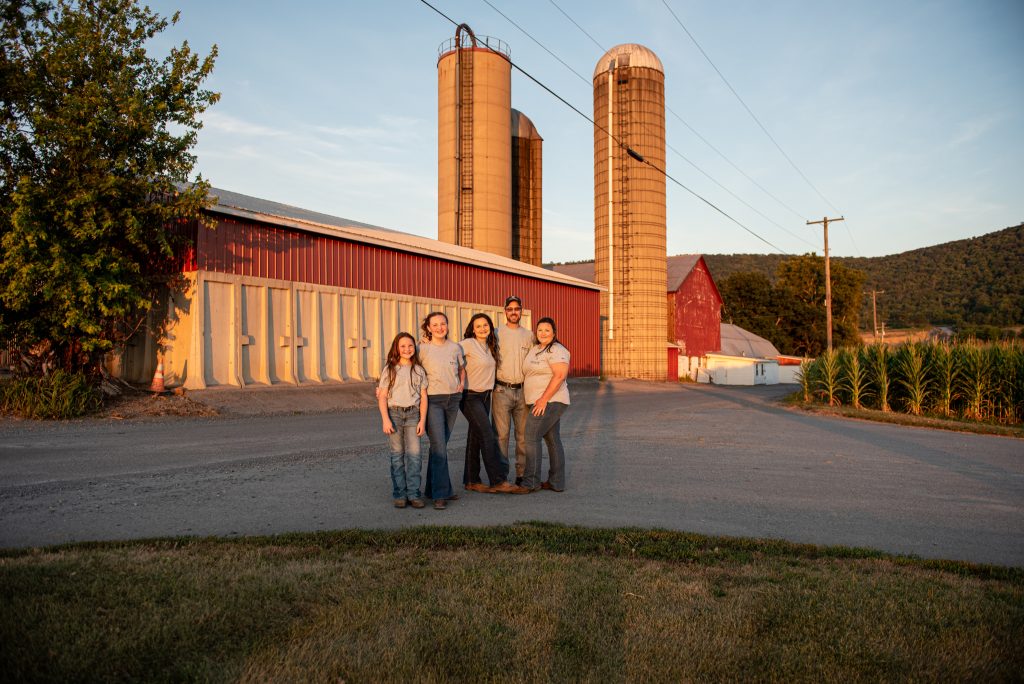
Their history: Brooks Family Farms, formerly Brookway Holsteins, was established around 1936 by Frank Brooks and has remained continuously family-owned through four generations—Frank, Harold, Dennis, and now Jeff Brooks. What began as a small, hand-milked operation has grown into a modern dairy managing 120 milking cows across more than 800 acres. As the farm evolved, it transitioned through major industry milestones—from milk cans to bulk tanks, from manual labor to mechanization, and now toward robotic milking technology.
Their passion: A central focus of Brooks Family Farms is sustainability through innovation, particularly the integration of robotic milking technology and data-driven herd management. Our goal is to improve efficiency, animal welfare, and long-term farm viability while maintaining the family-centered nature of our operation. By adopting advanced technologies, we aim to reduce labor strain, enhance herd health monitoring, and make better-informed management decisions.
Farming then vs. now: What has changed most about dairy farming is the level of efficiency and the pace of innovation. What has stayed the same is the responsibility. Cows still need to be cared for every day, crops still depend on the weather, and success still requires discipline, resilience, and a long-term mindset. At its heart, dairy farming is still about stewardship—of animals, land, and legacy.
Farming since 1774
Meet the Schrack Family, Schrack Farms
Location: Clinton County, PA
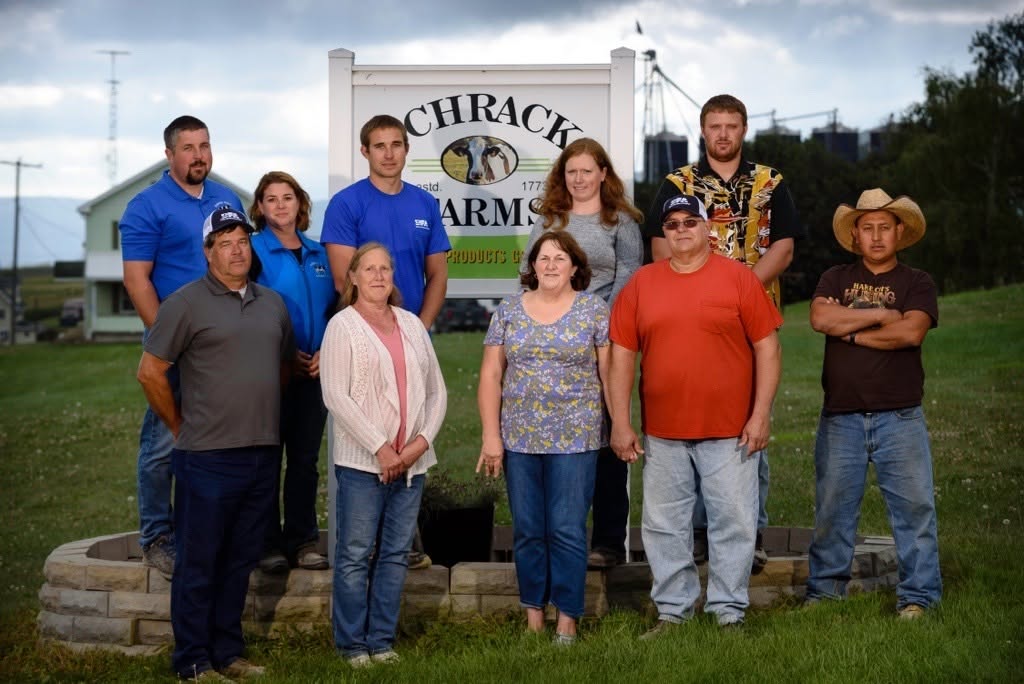
Their history: Jim and his wife are the 9th generation on our farm. His grandkids are the 11th generation. Our farm was homesteaded in 1774 by John Schrack. He was an officer in the Revolutionary War and rubbed shoulders with Benjamin Franklin back in the day.
Their passion: We want to do everything we can to support the outgoing generation and make the next generation successful. That’s our main goal.
Farming then vs. now: We started to no till back in the early 70s. We have fields that have not been tilled in 50 years. We have seen a huge difference in the structure of our soil, the texture and organic matter levels, and water infiltration. Everything has changed dramatically from the practices that we’ve incorporated. We fell in love with no till because we didn’t have to pick stones, and then it was years later that we started planting cover crops because we needed a double crop and needed more feed. We’ve learned from both of those experiences and we’ve seen the changes in our soil that you can’t ignore.
Farming since 1861
Meet the Worthington Family, Curly Hill Farms
Location: Bucks County, PA
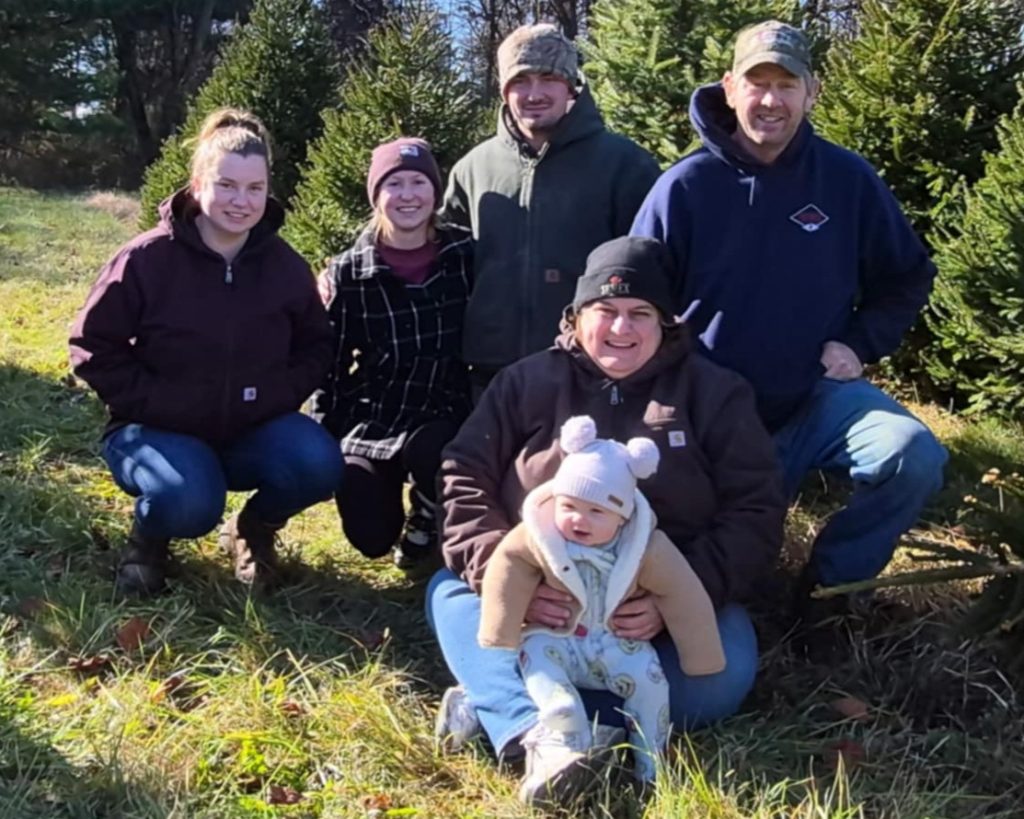
Their history: Curly Hill Farms was part of land owned by William Penn in the late 1600s and early 1700s. They have deeds on sheepskin dating back to the 1700s. Curly Hill Farms is a Preserved and Century Farm.
Their passion: We are committed to cow comfort. Our new barn utilizes an AI technology weather station to automatically raise & lower the barn curtains and turn fans on & off according to temperature, wind, and precipitation.
Farming then vs. now: Our family’s dedication to the farm, the land, and the animals has stayed the same as well as making sure the farm is left in the hands of the next generation to continue the family legacy. On the animal side, there have been advances in genetics, milk quality, the number of animals being milked and the amount of milk being produced.
Farming since the 1920s
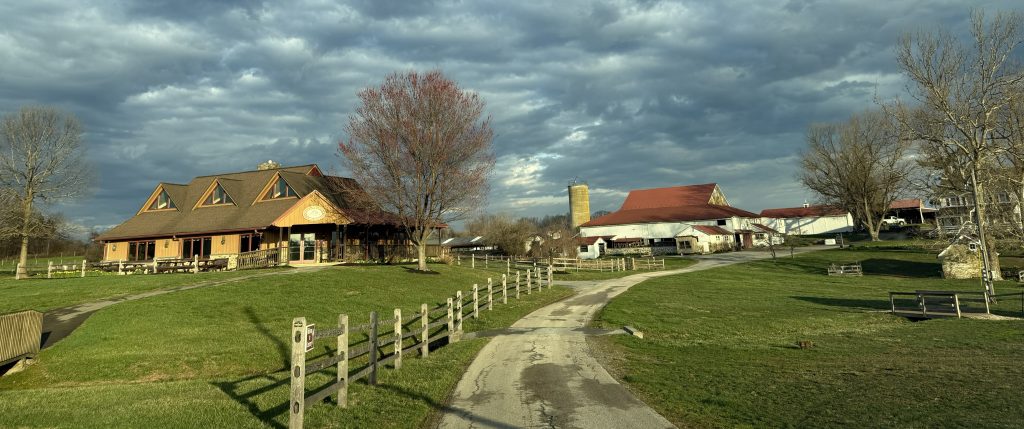
Meet the Matthews Family, Milky Way Farm of Chester Springs
Location: Chester County, PA
Their history: Our farm started as a dairy farm supporting one farm family and relied on hired hands, tilling the land with teams of horses. The family member farming it 100 years ago, Elmer Stiteler (Francis Matthews’ cousin) had a herd of 10 cows and 10 heifers. His milk would have been kept cold in the bottom of the spring house, then taken to the creamery at Anselma, where it would be loaded onto the train and taken into Philadelphia. The crops grown would have been corn and grass hay, possibly buying grain from the local mill nearby, all relying on a horse team. The cows produced roughly 3,000lb per season per cow compared to now being 21,000lb per season per cow. We now have 4 families working and living around the farm property (3 generations), and our herd is 80 in total (heifers and cows). We brought in ag-education in 1986 to help support and sustain the dairy, as small farms in our generation are being forced to diversify in order to keep relevant and broaden our reach and connection with the community
Their passion: At the heart of our work is building meaningful connections between people and agriculture. Many families today are several generations removed from farming, so we focus on reconnecting the community—locally and globally—to where food comes from and why farming matters. Through direct-to-consumer conversations, farm visits, and everyday interactions, we help bridge the gap between land, food production, and the dinner table.
Farming then vs. now: The care of the cows and the land continues to be a main focus, while the business has been required to diversify greatly due to the dairy market and the growth of the community we live in. What was once a farming community has turned predominantly suburban, and we are one of the last surviving dairy farms in our county. We brought in our pumpkin business and farm tours more than 40 years ago—adding to our business, agricultural education, and tourism. These tours now educate adults just as much as children, helping families better understand farming practices, food production, and even basic concepts like how milk is produced.